

Understanding adjectives that convey dedication is crucial for expressing admiration, respect, and appreciation in both written and spoken English. These adjectives not only enrich your vocabulary but also allow you to articulate the specific qualities of individuals or groups who exhibit unwavering commitment.
This article provides a detailed exploration of adjectives used to describe dedication, their nuances, and practical applications. This guide is perfect for students, writers, educators, and anyone seeking to enhance their descriptive language skills.
By mastering these adjectives, you’ll be able to paint vivid portraits of individuals and their unwavering commitment, adding depth and precision to your communication. Whether you’re writing a character sketch, composing a performance review, or simply expressing gratitude, this knowledge will prove invaluable.
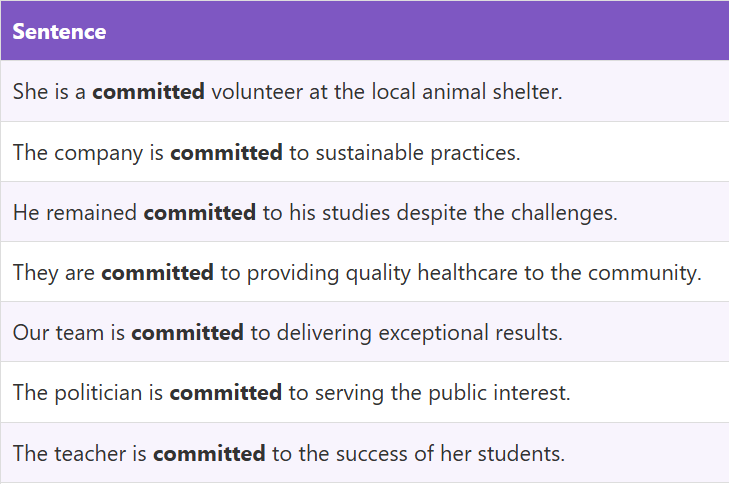
Table of Contents
- Definition of Adjectives for Dedication
- Structural Breakdown
- Types and Categories of Adjectives for Dedication
- Examples of Adjectives for Dedication
- Usage Rules
- Common Mistakes
- Practice Exercises
- Advanced Topics
- FAQ
- Conclusion
Definition of Adjectives for Dedication
Adjectives for dedication are descriptive words that characterize someone’s unwavering commitment, loyalty, and enthusiasm towards a particular cause, person, or activity. These adjectives highlight the strength of one’s resolve and the consistent effort they invest in their endeavors.
They often imply a level of selflessness and perseverance, reflecting a deep-seated belief in the importance of their actions. These words enhance the descriptive power of your language, helping to paint a clearer picture of the subject’s character and motivations.
Functionally, these adjectives serve to modify nouns or pronouns, adding detail and nuance to the description. They can be used in various contexts, from formal writing to casual conversations, to express admiration, respect, or simply to provide a more accurate portrayal of someone’s dedication.
Understanding the subtle differences between these adjectives is key to effective communication.
Context matters greatly when choosing the right adjective. For example, “devoted” might be used to describe a parent’s love for their child, while “steadfast” might be used to describe a soldier’s loyalty to their country.
The specific situation and the intended meaning will guide your choice of words.
Structural Breakdown
The structure of adjectives for dedication is generally straightforward. They typically precede the noun they modify, following standard adjective placement rules in English.
However, they can also be used after linking verbs like “is,” “are,” “was,” and “were” to describe the subject of the sentence. Understanding these structural patterns ensures correct usage and enhances clarity.
Most adjectives of dedication are single words. However, some phrases can function adjectivally to convey dedication.
For instance, “a person with unwavering commitment” uses a prepositional phrase to describe dedication. Using these phrasal options offers flexibility in expressing dedication.
Adjectives of dedication can be intensified using adverbs like “very,” “extremely,” “incredibly,” or “utterly.” For example, you might describe someone as “incredibly dedicated” to emphasize the exceptional degree of their commitment. This intensifies the adjective’s impact and adds further emphasis to the subject’s level of dedication.
Types and Categories of Adjectives for Dedication
Adjectives that describe dedication can be categorized based on the specific nuance they convey. Here are some common categories with examples:
Committed
Committed implies a firm and unwavering dedication to a particular cause, person, or activity. It suggests a conscious decision to invest time, effort, and resources towards a specific goal.
Devoted
Devoted suggests a deep and affectionate attachment, often involving a strong emotional connection. It implies a willingness to prioritize the needs and well-being of the object of devotion.
Zealous
Zealous indicates passionate enthusiasm and eagerness, often bordering on fanaticism. It suggests an intense drive to promote or defend a particular cause or belief.
Steadfast
Steadfast implies unwavering loyalty and resilience, even in the face of adversity. It suggests an ability to remain firm in one’s convictions despite challenges or setbacks.
Assiduous
Assiduous describes someone who is diligent and persistent in their efforts, paying close attention to detail and working tirelessly towards their goals. It suggests a strong work ethic and a commitment to excellence.
Resolute
Resolute indicates a firm and unwavering determination to achieve a specific goal, often in the face of obstacles or opposition. It suggests a strong will and an unwillingness to be deterred.
Diligent
Diligent describes someone who is careful and conscientious in their work, paying attention to detail and striving for accuracy. It suggests a responsible and methodical approach to tasks.
Dedicated
Dedicated is a general term that encompasses a strong commitment and devotion to a particular purpose or activity. It suggests a willingness to invest time, effort, and resources to achieve a desired outcome.
Examples of Adjectives for Dedication
Here are several examples of adjectives for dedication used in sentences, categorized for clarity.
Examples of “Committed”
The following table provides examples of how the adjective “committed” can be used in different contexts. Notice the varying degrees and types of commitment described.
| Sentence |
|---|
| She is a committed volunteer at the local animal shelter. |
| The company is committed to sustainable practices. |
| He remained committed to his studies despite the challenges. |
| They are committed to providing quality healthcare to the community. |
| Our team is committed to delivering exceptional results. |
| The politician is committed to serving the public interest. |
| The teacher is committed to the success of her students. |
| The athlete is committed to rigorous training. |
| The organization is committed to environmental conservation. |
| The scientist is committed to finding a cure. |
| The artist is committed to expressing his creativity. |
| The musician is committed to perfecting his craft. |
| The writer is committed to telling compelling stories. |
| The activist is committed to social justice. |
| The entrepreneur is committed to building a successful business. |
| The doctor is committed to patient care. |
| The nurse is committed to providing comfort and support. |
| The firefighter is committed to protecting lives and property. |
| The police officer is committed to maintaining law and order. |
| The soldier is committed to defending the country. |
| The parent is committed to raising their children well. |
| The friend is committed to being supportive and loyal. |
| The partner is committed to building a strong relationship. |
| The student is committed to academic excellence. |
| The employee is committed to professional growth. |
Examples of “Devoted”
The following table provides examples of how the adjective “devoted” can be used. Note how it emphasizes deep affection and loyalty.
| Sentence |
|---|
| She is a devoted mother to her children. |
| He is a devoted fan of the local sports team. |
| They are devoted to their religious beliefs. |
| She was a devoted caregiver to her elderly parents. |
| He is a devoted husband to his wife. |
| She is a devoted follower of the guru. |
| He is a devoted member of the community. |
| She is a devoted friend to many. |
| He is a devoted supporter of the arts. |
| She is a devoted pet owner. |
| He is a devoted student of history. |
| She is a devoted reader of classic literature. |
| He is a devoted gardener. |
| She is a devoted cook. |
| He is a devoted traveler. |
| She is a devoted artist. |
| He is a devoted musician. |
| She is a devoted writer. |
| He is a devoted scientist. |
| She is a devoted teacher. |
| He is a devoted doctor. |
| She is a devoted nurse. |
| He is a devoted firefighter. |
| She is a devoted police officer. |
| He is a devoted soldier. |
Examples of “Zealous”
The following table provides examples of how “zealous” can be used. Notice the intensity and passion conveyed.
| Sentence |
|---|
| He is a zealous advocate for environmental protection. |
| She is a zealous supporter of animal rights. |
| They are zealous in their pursuit of knowledge. |
| He was a zealous missionary, spreading his faith across the globe. |
| She is a zealous competitor, always striving to win. |
| He is a zealous defender of free speech. |
| She is a zealous promoter of the arts. |
| He is a zealous fundraiser for charity. |
| She is a zealous activist for social change. |
| He is a zealous investigator, always seeking the truth. |
| She is a zealous researcher, dedicated to her field. |
| He is a zealous learner, constantly seeking new information. |
| She is a zealous innovator, always pushing boundaries. |
| He is a zealous entrepreneur, driven to succeed. |
| She is a zealous leader, inspiring her team. |
| He is a zealous teacher, passionate about education. |
| She is a zealous doctor, dedicated to patient care. |
| He is a zealous lawyer, fighting for justice. |
| She is a zealous journalist, reporting the truth. |
| He is a zealous artist, expressing his vision. |
| She is a zealous musician, sharing her talent. |
| He is a zealous writer, crafting compelling stories. |
| She is a zealous programmer, creating innovative software. |
| He is a zealous engineer, solving complex problems. |
| She is a zealous architect, designing beautiful buildings. |
Examples of “Steadfast”
The following table provides examples of how “steadfast” can be used. Notice the emphasis on unwavering loyalty and resilience.
| Sentence |
|---|
| He remained steadfast in his beliefs despite facing criticism. |
| She is a steadfast friend, always there in times of need. |
| They are steadfast in their commitment to justice. |
| He was a steadfast ally, supporting his country through difficult times. |
| She is a steadfast advocate for the underprivileged. |
| He is a steadfast leader, guiding his team through challenges. |
| She is a steadfast supporter of the arts. |
| He is a steadfast believer in the power of education. |
| She is a steadfast defender of human rights. |
| He is a steadfast protector of the environment. |
| She is a steadfast guardian of tradition. |
| He is a steadfast beacon of hope in dark times. |
| She is a steadfast pillar of the community. |
| He is a steadfast voice for the voiceless. |
| She is a steadfast champion of equality. |
| He is a steadfast example of integrity. |
| She is a steadfast reminder of the importance of perseverance. |
| He is a steadfast symbol of courage. |
| She is a steadfast inspiration to others. |
| He is a steadfast source of strength. |
| She is a steadfast influence for good. |
| He is a steadfast hand to hold in times of trouble. |
| She is a steadfast shoulder to cry on. |
| He is a steadfast light in the darkness. |
| She is a steadfast anchor in the storm. |
Examples of “Assiduous”
The following table provides examples of how “assiduous” can be used. Notice the emphasis on diligence and attention to detail.
| Sentence |
|---|
| She is an assiduous student, always completing her assignments on time. |
| He is an assiduous researcher, meticulously gathering data. |
| They are assiduous in their efforts to improve the community. |
| She was an assiduous gardener, tending to her plants with great care. |
| He is an assiduous worker, always striving for excellence. |
| She is an assiduous planner, organizing every detail. |
| He is an assiduous record-keeper, maintaining accurate accounts. |
| She is an assiduous learner, constantly seeking new knowledge. |
| He is an assiduous reader, exploring diverse subjects. |
| She is an assiduous observer, noticing subtle details. |
| He is an assiduous communicator, expressing himself clearly. |
| She is an assiduous problem-solver, finding creative solutions. |
| He is an assiduous negotiator, reaching favorable agreements. |
| She is an assiduous manager, overseeing every aspect. |
| He is an assiduous caretaker, providing attentive support. |
| She is an assiduous housekeeper, maintaining a clean environment. |
| He is an assiduous mechanic, repairing vehicles with precision. |
| She is an assiduous artist, creating intricate designs. |
| He is an assiduous musician, practicing diligently. |
| She is an assiduous writer, crafting compelling narratives. |
| He is an assiduous programmer, developing efficient code. |
| She is an assiduous engineer, designing innovative solutions. |
| He is an assiduous architect, planning sustainable structures. |
| She is an assiduous scientist, conducting thorough experiments. |
| He is an assiduous historian, documenting past events. |
Usage Rules
When using adjectives for dedication, it’s essential to consider the context and the specific nuance you want to convey. Here are some usage rules to keep in mind:
- Placement: Adjectives typically precede the noun they modify (e.g., “a dedicated teacher”). They can also follow linking verbs (e.g., “She is dedicated”).
- Intensification: Use adverbs like “very,” “extremely,” or “incredibly” to intensify the adjective (e.g., “an extremely devoted fan”).
- Context: Choose the adjective that best reflects the type of dedication being described (e.g., “committed” for a cause, “devoted” for a person).
- Formality: Be mindful of the formality of the situation. Some adjectives, like “zealous,” may sound overly enthusiastic in certain contexts.
Exceptions: While most adjectives follow standard placement rules, some can be used in different positions for emphasis. For example, instead of saying “He is a dedicated worker,” you could say “Dedicated as he is, he never gives up.” This rephrasing places more emphasis on his dedication.
Common Mistakes
Here are some common mistakes to avoid when using adjectives for dedication:
| Incorrect | Correct | Explanation |
|---|---|---|
| She is a zealous mother to her children. | She is a devoted mother to her children. | “Zealous” implies excessive enthusiasm, which is not typically associated with motherhood. “Devoted” is a more appropriate choice. |
| He is committed fan of the team. | He is a committed fan of the team. | Missing the article “a” before the adjective-noun phrase. |
| They are very steadfast for their beliefs. | They are very steadfast in their beliefs. | Use the correct preposition “in” with “steadfast” when referring to beliefs. |
| She is assiduous to her work. | She is assiduous in her work. | Use the correct preposition “in” with “assiduous” when referring to work. |
| He is a dedicated of the project. | He is dedicated to the project. | Use the correct preposition “to” with “dedicated” when referring to a project. “Of” is incorrect. |
Practice Exercises
Test your understanding with these practice exercises.
Exercise 1: Fill in the Blanks
Fill in the blanks with the most appropriate adjective for dedication from the list: committed, devoted, zealous, steadfast, assiduous.
| Question | Answer |
|---|---|
| 1. She is a ______ volunteer, spending countless hours helping others. | committed |
| 2. He is a ______ fan, never missing a game. | devoted |
| 3. They are ______ in their pursuit of justice, never giving up the fight. | steadfast |
| 4. She is an ______ student, always studying diligently. | assiduous |
| 5. He is a ______ advocate for environmental causes. | zealous |
| 6. The doctor is ______ to providing the best possible care for his patients. | committed |
| 7. The artist is ______ to her craft, spending hours perfecting each piece. | devoted |
| 8. The activist is ______ in his fight for social justice. | steadfast |
| 9. The researcher is ______ in her pursuit of scientific knowledge. | assiduous |
| 10. The politician is a ______ supporter of education reform. | zealous |
Exercise 2: Sentence Completion
Complete the following sentences using an adjective for dedication.
| Question | Answer |
|---|---|
| 1. Because of her ______ efforts, the project was a success. | assiduous |
| 2. He is a ______ member of the community, always willing to help. | committed |
| 3. Despite the challenges, she remained ______ in her beliefs. | steadfast |
| 4. He is a ______ follower of the teachings of the guru. | devoted |
| 5. She is a ______ defender of animal rights. | zealous |
| 6. The team was ______ to winning the championship. | committed |
| 7. The mother was ______ to her children’s well-being. | devoted |
| 8. The lawyer was ______ in his pursuit of justice for his client. | steadfast |
| 9. The scientist was ______ in her experiments, leaving no stone unturned. | assiduous |
| 10. The activist was ______ in his promotion of environmental awareness. | zealous |
Exercise 3: Error Correction
Identify and correct the errors in the following sentences.
| Incorrect | Correct |
|---|---|
| 1. He is a devote fan of the team. | He is a devoted fan of the team. |
| 2. She is very commit to her work. | She is very committed to her work. |
| 3. They are steadfast of their beliefs. | They are steadfast in their beliefs. |
| 4. He is assiduous for his studies. | He is assiduous in his studies. |
| 5. She is zealous with her support. | She is zealous in her support. |
| 6. The employee was dedicated of the company. | The employee was dedicated to the company. |
| 7. The nurse is devote to her patients. | The nurse is devoted to her patients. |
| 8. The soldier was steadfast on his duty. | The soldier was steadfast in his duty. |
| 9. The student is assiduous at his studies. | The student is assiduous in his studies. |
| 10. The volunteer is zealous for his cause. | The volunteer is zealous in his cause. |
Advanced Topics
For advanced learners, consider exploring the nuances of these adjectives in more complex contexts. For instance, analyze how different cultures view and express dedication.
Explore the etymology of these words to understand their historical roots and how their meanings have evolved. Additionally, research how these adjectives are used in literature and rhetoric to create persuasive arguments and evoke specific emotions.
Another advanced topic is the study of synonyms and antonyms for adjectives of dedication. Understanding words with similar or opposite meanings can help you fine-tune your writing and avoid repetition.
For example, synonyms for “dedicated” might include “loyal,” “faithful,” or “resolute,” while antonyms might include “disloyal,” “apathetic,” or “indifferent.”
Furthermore, delve into the use of these adjectives in specialized fields such as psychology, sociology, and political science. Each field may have its own specific connotations and applications for these terms.
For example, in psychology, “devotion” might be studied in the context of attachment theory, while in political science, “commitment” might be analyzed in relation to civic engagement and political ideologies.
FAQ
- What is the difference between “committed” and “dedicated”?
“Committed” implies a firm decision to pursue a goal or support a cause, while “dedicated” suggests a deeper level of devotion and willingness to invest time and effort. “Committed” is often used for specific tasks or projects, whereas “dedicated” can describe a long-term, unwavering allegiance.
- When should I use “devoted” instead of “dedicated”?
Use “devoted” when you want to emphasize a strong emotional connection or affectionate attachment. “Devoted” is often used to describe relationships between people, pets, or religious figures. “Dedicated” is more general and can be used for a wider range of contexts.
- Is “zealous” always a positive adjective?
Not necessarily. While “zealous” can indicate passionate enthusiasm, it can also imply excessive or fanatical behavior. It’s important to consider the context and ensure that the level of enthusiasm is appropriate.
- What is the difference between “steadfast” and “resolute”?
Both “steadfast” and “resolute” imply unwavering determination, but “steadfast” emphasizes loyalty and resilience in the face of adversity, while “resolute” focuses on a firm decision to achieve a specific goal. “Steadfast” suggests enduring commitment, while “resolute” suggests decisive action.
- How can I use “assiduous” in a sentence?
“Assiduous” describes someone who is diligent and persistent in their efforts. You can use it to describe a person’s work ethic, study habits, or attention to detail. For example, “She is an assiduous student, always completing her assignments on time.”
- Can “dedicated” be used as an adverb?
No, “dedicated” is primarily used as an adjective. To convey a similar meaning adverbially, you might use phrases like “with dedication” or “in a dedicated manner.” For example, instead of saying “She worked dedicatedly,” you could say “She worked with dedication.”
- What are some other adjectives similar to “committed”?
Similar adjectives include “devoted,” “dedicated,” “loyal,” “faithful,” “engaged,” and “involved.” The best choice depends on the specific context and the nuance you want to convey.
- How do I avoid overusing adjectives of dedication in my writing?
Vary your vocabulary by using synonyms and rephrasing sentences to show dedication through actions rather than just stating it with adjectives. Instead of saying “He is a dedicated worker,” you could say “He consistently goes above and beyond in his work.”
- Is it ever appropriate to use negative connotations with adjectives of dedication?
Yes, but carefully. Sometimes, excessive dedication can be seen as obsessive or unhealthy. For instance, someone might be “zealous to a fault,” suggesting their enthusiasm has become detrimental. Ensure the context makes your intention clear.
- What’s the etymology of the word “dedicated”?
The word “dedicated” comes from the Latin word “dedicare,” which means “to declare, consecrate, or devote.” It’s formed from “de-” (completely) and “dicare” (to proclaim, set apart). Understanding its etymology helps appreciate its depth and significance.
Conclusion
Mastering adjectives for dedication is essential for expressing admiration, respect, and appreciation in English. By understanding the nuances of words like “committed,” “devoted,” “zealous,” “steadfast,” and “assiduous,” you can paint vivid portraits of individuals and their unwavering commitment.
Remember to consider the context, choose the most appropriate adjective, and avoid common mistakes to ensure clarity and accuracy in your communication.
Continue practicing using these adjectives in your writing and speaking to solidify your understanding. Pay attention to how native speakers use these words in various contexts to further refine your skills.
With consistent effort, you’ll be able to effectively convey the strength and depth of dedication in your language.