

Describing someone effectively involves more than just stating the obvious. Choosing the right adjectives to describe men can significantly enhance your communication, whether you’re writing a character in a novel, crafting a dating profile, or simply chatting with friends.
Understanding the nuances of adjectives allows you to convey personality, physical attributes, and character traits with precision and impact. This article provides a comprehensive guide to using adjectives to describe men, covering everything from physical appearance to personality and beyond.
This guide is perfect for students, writers, and anyone looking to improve their descriptive language skills. Let’s dive in!
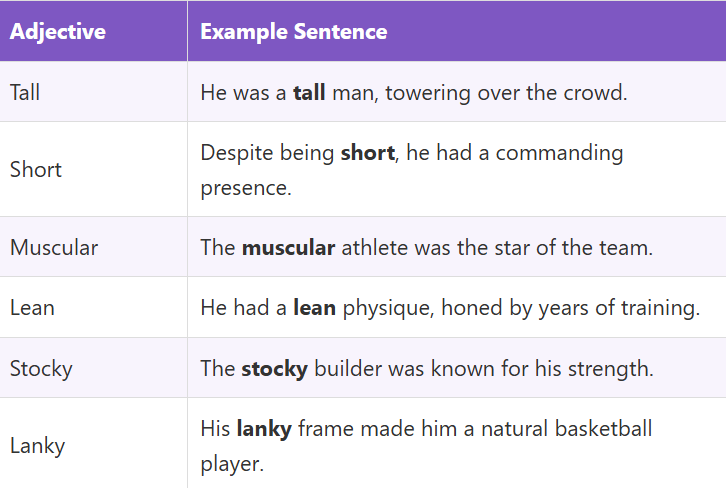
Table of Contents
- Introduction
- Definition of Adjectives
- Structural Breakdown of Adjectives
- Types and Categories of Adjectives
- Examples of Adjectives for Men
- Usage Rules for Adjectives
- Common Mistakes with Adjectives
- Practice Exercises
- Advanced Topics
- Frequently Asked Questions
- Conclusion
Definition of Adjectives
An adjective is a word that modifies a noun or pronoun, providing more information about it. Adjectives describe the qualities, characteristics, or features of the noun they modify. They answer questions like “What kind?”, “Which one?”, “How many?”, or “How much?” Adjectives are essential for creating vivid and detailed descriptions.
Adjectives can be classified based on their function and the type of information they provide. Some adjectives describe physical attributes, while others describe personality traits or emotions.
Understanding these classifications helps in choosing the most appropriate adjective for a given context.
The primary function of an adjective is to provide additional details about a noun or pronoun. This can include describing its size, color, shape, origin, or any other attribute that helps the reader or listener form a clearer picture of what is being described.
Adjectives add depth and richness to language, making it more expressive and engaging.
Structural Breakdown of Adjectives
Adjectives typically appear before the noun they modify (attributive adjectives) or after a linking verb (predicative adjectives). For example, in the phrase “the tall man,” the adjective “tall” comes before the noun “man.” In the sentence “The man is tall,” the adjective “tall” follows the linking verb “is.”
Many adjectives can be formed by adding suffixes to nouns or verbs. Common suffixes include -able, -ible, -al, -ful, -less, -ous, -ive, and -ing. For example, the noun “comfort” can be transformed into the adjective “comfortable” by adding the suffix “-able.” The verb “create” becomes the adjective “creative” with the addition of the suffix “-ive.”
Some adjectives can be modified by adverbs to indicate the degree of the quality being described. For example, in the phrase “very strong,” the adverb “very” modifies the adjective “strong,” indicating a high degree of strength.
Other common adverbs used to modify adjectives include “extremely,” “quite,” “somewhat,” and “slightly.”
Types and Categories of Adjectives
Adjectives can be grouped into various categories based on the type of information they convey. Here are some common categories for describing men:
Physical Appearance
These adjectives describe a man’s physical features, such as height, build, hair color, and facial features. They help to create a visual image of the person being described.
Personality
These adjectives describe a man’s character traits, such as kindness, intelligence, and humor. They provide insight into his inner qualities and how he interacts with others.
Skills and Abilities
These adjectives describe a man’s talents and capabilities, such as athleticism, artistic ability, or technical expertise. They highlight his strengths and areas of competence.
Style and Demeanor
These adjectives describe a man’s mannerisms, clothing style, and overall presentation. They offer clues about his personality and social standing.
Positive Attributes
These adjectives highlight a man’s admirable qualities, such as courage, integrity, and generosity. They are used to describe someone in a favorable light.
Negative Attributes
These adjectives describe a man’s undesirable qualities, such as arrogance, dishonesty, or laziness. They are used to portray someone in a less flattering manner.
Examples of Adjectives for Men
To illustrate the use of adjectives in describing men, here are several examples categorized by the types mentioned above. These examples will help you understand how to effectively use adjectives to create vivid and accurate descriptions.
Physical Appearance Examples
The following table provides a variety of adjectives to describe a man’s physical appearance. These include descriptions of height, build, hair, and facial features.
Using these adjectives can help create a detailed and accurate visual image.
| Adjective | Example Sentence |
|---|---|
| Tall | He was a tall man, towering over the crowd. |
| Short | Despite being short, he had a commanding presence. |
| Muscular | The muscular athlete was the star of the team. |
| Lean | He had a lean physique, honed by years of training. |
| Stocky | The stocky builder was known for his strength. |
| Lanky | His lanky frame made him a natural basketball player. |
| Broad-shouldered | He was a broad-shouldered man, with a powerful build. |
| Thin | He was a thin man with a serious look on his face. |
| Handsome | The handsome actor was adored by fans worldwide. |
| Attractive | He was an attractive man with a charming smile. |
| Rugged | The rugged explorer had seen the world. |
| Clean-shaven | The clean-shaven executive looked professional. |
| Bearded | The bearded professor was known for his wisdom. |
| Grey-haired | The grey-haired gentleman was respected by all. |
| Balding | The balding man wore a hat to cover his head. |
| Dark-haired | The dark-haired stranger caught her eye. |
| Blond | The blond surfer rode the waves with ease. |
| Well-built | He was a well-built man, clearly dedicated to fitness. |
| Athletic | The athletic young man excelled in every sport he tried. |
| Stout | The stout fellow was known for his hearty laugh. |
| Wiry | Despite his age, he was a wiry man, full of energy. |
| Pale | The pale student had been up all night studying. |
| Tanned | His tanned skin showed how much time he spent outdoors. |
| Wrinkled | The wrinkled face told a story of a life well-lived. |
| Scarred | The scarred veteran was respected for his bravery. |
Personality Examples
The following table presents adjectives that describe a man’s personality. These adjectives cover a range of traits, from positive to negative, and can help you convey a deeper understanding of a character’s inner self.
| Adjective | Example Sentence |
|---|---|
| Kind | He was a kind man, always willing to help others. |
| Intelligent | The intelligent professor was a renowned scholar. |
| Humorous | His humorous remarks always lightened the mood. |
| Brave | The brave firefighter rushed into the burning building. |
| Confident | The confident speaker captivated the audience. |
| Shy | He was a shy man, hesitant to speak in public. |
| Arrogant | His arrogant attitude made him difficult to work with. |
| Generous | The generous donor gave millions to charity. |
| Selfish | His selfish behavior alienated his friends. |
| Optimistic | The optimistic entrepreneur believed in his vision. |
| Pessimistic | The pessimistic analyst predicted a market crash. |
| Patient | The patient teacher worked with struggling students. |
| Impatient | His impatient nature often led to mistakes. |
| Calm | The calm leader guided the team through the crisis. |
| Anxious | He was an anxious man, always worried about the future. |
| Outgoing | The outgoing salesman easily made new contacts. |
| Reserved | He was a reserved man, preferring to listen rather than speak. |
| Honest | The honest politician was trusted by his constituents. |
| Dishonest | The dishonest businessman was caught in a scandal. |
| Loyal | He was a loyal friend, always there in times of need. |
| Creative | The creative designer came up with innovative solutions. |
| Ambitious | The ambitious executive aimed for the top. |
| Modest | Despite his achievements he was very modest. |
| Enthusiastic | The enthusiastic volunteer inspired others to join. |
| Wise | The wise old man gave valuable advice. |
Skills and Abilities Examples
This table showcases adjectives that describe a man’s skills and abilities. These adjectives can be used to highlight a person’s talents, expertise, and areas of competence, offering a more complete picture of their capabilities.
| Adjective | Example Sentence |
|---|---|
| Skilled | He was a skilled carpenter, crafting beautiful furniture. |
| Talented | The talented musician played the piano with ease. |
| Athletic | He was an athletic runner, always winning races. |
| Artistic | The artistic painter created stunning landscapes. |
| Technical | The technical engineer solved complex problems. |
| Proficient | He was a proficient programmer, writing efficient code. |
| Adept | He was adept at handling difficult situations. |
| Capable | He was a capable leader, guiding his team to success. |
| Experienced | The experienced doctor had seen it all. |
| Knowledgeable | He was a knowledgeable historian, well-versed in the past. |
| Gifted | He was a gifted writer, captivating readers with his stories. |
| Versatile | The versatile actor could play any role. |
| Competent | He was a competent manager, handling his team effectively. |
| Resourceful | The resourceful survivor found a way to signal for help. |
| Innovative | The innovative inventor created groundbreaking technology. |
| Creative | The creative artist was known for his originality. |
| Analytical | The analytical scientist made important discoveries. |
| Astute | The astute businessman made wise investments. |
| Effective | The effective negotiator closed the deal successfully. |
| Efficient | The efficient worker completed his tasks quickly. |
| Masterful | He was a masterful chess player, always thinking several moves ahead. |
| Dexterous | The dexterous surgeon performed the delicate operation. |
| Agile | He was an agile climber, scaling the rock face with ease. |
| Precise | The precise craftsman paid attention to every detail. |
| Strategic | The strategic general won the battle. |
Style and Demeanor Examples
The table below offers adjectives to describe a man’s style and demeanor. These include descriptions of their clothing, mannerisms, and overall presentation, providing insight into their personality and social standing.
| Adjective | Example Sentence |
|---|---|
| Stylish | He was a stylish man, always impeccably dressed. |
| Elegant | The elegant gentleman charmed everyone he met. |
| Sophisticated | The sophisticated art collector had impeccable taste. |
| Casual | He preferred a casual style, favoring jeans and t-shirts. |
| Formal | The formal attire was required for the gala. |
| Dapper | The dapper man wore a tailored suit. |
| Suave | His suave demeanor made him popular with women. |
| Confident | He had a confident walk, showing self assuarance. |
| Humble | His humble attitude endered him to all. |
| Boisterous | The boisterous man was always the life of the party. |
| Quiet | The quiet man was often overlooked in the crowd. |
| Reserved | His reserved character made him a man of few words. |
| Charismatic | The charismatic leader inspired his followers. |
| Charming | The charming host made everyone feel welcome. |
| Well-mannered | The well-mannered gentleman was a pleasure to be around. |
| Courteous | The courteous waiter provided excellent service. |
| Refined | The refined aristocrat had impeccable manners. |
| Uncouth | His uncouth behavior was offensive to many. |
| Genteel | The genteel professor was respected for his knowledge. |
| Modest | His modest demeanor belied his great accomplishments. |
| Imposing | The imposing figure commanded respect. |
| Intimidating | The intimidating bouncer stood guard at the door. |
| Approachable | His approachable nature made him easy to talk to. |
| Affable | The affable shopkeeper greeted everyone with a smile. |
| Gracious | The gracious host thanked everyone for attending. |
Positive Attributes Examples
This table provides adjectives that highlight a man’s admirable qualities. These adjectives can be used to describe someone in a favorable light, emphasizing their strengths and virtues.
| Adjective | Example Sentence |
|---|---|
| Courageous | The courageous soldier saved his comrades. |
| Honest | The honest businessman was trusted by all. |
| Loyal | He was a loyal friend, always there in times of need. |
| Kind | The kind doctor cared for his patients with compassion. |
| Generous | The generous philanthropist donated to numerous charities. |
| Compassionate | The compassionate social worker helped the homeless. |
| Empathetic | The empathetic counselor understood his clients’ feelings. |
| Resilient | The resilient survivor overcame many challenges. |
| Diligent | The diligent student always completed his assignments. |
| Disciplined | The disciplined athlete trained rigorously every day. |
| Dependable | He was a dependable employee, always on time. |
| Responsible | The responsible father cared for his children. |
| Supportive | He was a supportive husband, encouraging his wife’s dreams. |
| Considerate | The considerate neighbor helped carry groceries. |
| Thoughtful | He was a thoughtful friend, always sending cards. |
| Patient | The patient teacher worked with struggling students. |
| Wise | The wise mentor gave valuable advice. |
| Intelligent | The intelligent researcher made groundbreaking discoveries. |
| Creative | The creative artist inspired many people. |
| Ambitious | The ambitious entrepreneur built a successful company. |
| Optimistic | The optimistic leader inspired his team. |
| Persistent | The persistent salesman closed the deal. |
| Adaptable | He was an adaptable person, able to thrive in any environment. |
| Determined | The determined athlete achieved his goals. |
| Gracious | The gracious host welcomed everyone warmly. |
Negative Attributes Examples
The table below provides adjectives that describe a man’s undesirable qualities. These adjectives can be used to portray someone in a less flattering manner, highlighting their flaws and shortcomings.
| Adjective | Example Sentence |
|---|---|
| Arrogant | The arrogant executive alienated his colleagues. |
| Dishonest | The dishonest politician was caught in a scandal. |
| Selfish | His selfish behavior angered his friends. |
| Cruel | The cruel dictator oppressed his people. |
| Greedy | The greedy businessman exploited his workers. |
| Callous | The callous landlord evicted his tenants. |
| Insensitive | The insensitive remark offended many people. |
| Lazy | The lazy employee never completed his tasks. |
| Careless | The careless driver caused an accident. |
| Irresponsible | The irresponsible parent neglected his children. |
| Unreliable | He was an unreliable friend, always breaking promises. |
| Inconsiderate | The inconsiderate neighbor played loud music late at night. |
| Thoughtless | His thoughtless actions hurt many people. |
| Impatient | The impatient customer complained to the manager. |
| Foolish | The foolish investor lost all his money. |
| Stupid | The stupid mistake cost the team the game. |
| Clumsy | The clumsy waiter spilled the drinks. |
| Aggressive | The aggressive player was ejected from the game. |
| Hostile | The hostile man threatened the clerk. |
| Pessimistic | The pessimistic analyst predicted a recession. |
| Stubborn | The stubborn mule refused to move. |
| Vain | The vain actor admired himself in the mirror. |
| Deceitful | The deceitful con man tricked his victims. |
| Manipulative | The manipulative boss controlled his employees. |
| Envious | The envious rival plotted against his competitor. |
Usage Rules for Adjectives
Using adjectives correctly involves understanding the rules that govern their placement and modification. Proper usage ensures clarity and precision in your writing and speech.
Here are some key rules to follow:
Adjective Order
When using multiple adjectives to describe a noun, they typically follow a specific order. This order is generally: opinion, size, age, shape, color, origin, material, and purpose. While not always strictly followed, adhering to this order can improve the flow and clarity of your descriptions.
For example, instead of saying “a red old small car,” it’s more natural to say “a small old red car.” The order of adjectives contributes to the overall coherence and readability of the sentence.
Comparative and Superlative Forms
Adjectives can be used to compare two or more things. The comparative form is used to compare two things, while the superlative form is used to compare three or more things. The comparative is usually formed by adding “-er” to the adjective or by using “more” before the adjective. The superlative is formed by adding “-est” to the adjective or by using “most” before the adjective.
For example, “tall” becomes “taller” in the comparative form and “tallest” in the superlative form. For longer adjectives, you would use “more intelligent” and “most intelligent.”
Adjective-Noun Agreement
In English, adjectives do not change form to agree with the noun they modify in terms of number or gender. This is different from many other languages, where adjectives must agree with the noun in these aspects.
However, it’s important to ensure that the adjective you choose is appropriate for the noun it’s describing.
For example, you would say “a tall man” and “tall men,” with the adjective “tall” remaining the same regardless of whether the noun is singular or plural.
Common Mistakes with Adjectives
Even experienced English speakers can make mistakes when using adjectives. Here are some common errors to watch out for:
- Incorrect Adjective Order: Placing adjectives in the wrong order can sound awkward.
- Incorrect: “a red old car”
- Correct: “an old red car”
- Misusing Comparative and Superlative Forms: Using the wrong form can lead to confusion.
- Incorrect: “He is the taller of the three brothers.”
- Correct: “He is the tallest of the three brothers.”
- Using Adjectives as Adverbs: Confusing adjectives with adverbs is a common error.
- Incorrect: “He ran quick.”
- Correct: “He ran quickly.”
- Redundancy: Using adjectives that repeat the same information.
- Incorrect: “The blue colored car”
- Correct: “The blue car”
Practice Exercises
Test your understanding of adjectives with these practice exercises. Fill in the blanks with the most appropriate adjective from the options provided.
| Question | Options | Answer |
|---|---|---|
| 1. He is a very ______ man, always helping others. | (a) selfish, (b) kind, (c) arrogant | (b) kind |
| 2. The ______ athlete won the gold medal. | (a) lazy, (b) athletic, (c) clumsy | (b) athletic |
| 3. She wore a ______ dress to the party. | (a) casual, (b) formal, (c) sloppy | (b) formal |
| 4. He is known for his ______ sense of humor. | (a) serious, (b) humorous, (c) dull | (b) humorous |
| 5. The ______ student always gets good grades. | (a) diligent, (b) careless, (c) irresponsible | (a) diligent |
| 6. The ______ manager was respected by his team. | (a) incompetent, (b) capable, (c) ineffective | (b) capable |
| 7. He is a ______ person, always breaking promises. | (a) reliable, (b) dependable, (c) unreliable | (c) unreliable |
| 8. The ______ artist created stunning masterpieces. | (a) uncreative, (b) artistic, (c) unimaginative | (b) artistic |
| 9. The ______ leader inspired his followers to achieve great things. | (a) charismatic, (b) boring, (c) uninspiring | (a) charismatic |
| 10. The ______ employee was always late for work. | (a) punctual, (b) tardy, (c) prompt | (b) tardy |
| 11. Despite his age, he remained a ______ man, full of energy. | (a) lethargic, (b) wiry, (c) feeble | (b) wiry |
| 12. The ______ negotiator secured the deal efficiently. | (a) ineffective, (b) effective, (c) clumsy | (b) effective |
Advanced Topics
For advanced learners, understanding the nuances of adjective usage can further enhance your communication skills. Here are some advanced topics to explore:
Figurative Language with Adjectives
Adjectives can be used in figurative language to create vivid and imaginative descriptions. Similes and metaphors often rely on adjectives to draw comparisons and create imagery.
For example, “He was as brave as a lion” uses the adjective “brave” to compare the man’s courage to that of a lion.
Personification, where inanimate objects are given human qualities, also utilizes adjectives to describe these qualities. For example, “The angry storm raged through the town” uses the adjective “angry” to describe the storm, giving it a human emotion.
Nuance and Context
The meaning of an adjective can vary depending on the context in which it is used. Understanding these nuances is crucial for effective communication.
For example, the adjective “cool” can mean different things depending on the situation. It can describe temperature, style, or personality.
Consider the audience and the purpose
Consider the audience and the purpose of your communication when choosing adjectives. What might be appropriate in one context could be unsuitable in another.
Being mindful of these factors will help you use adjectives more effectively and avoid misunderstandings.
Frequently Asked Questions
What is the difference between an adjective and an adverb?
An adjective modifies a noun or pronoun, while an adverb modifies a verb, adjective, or another adverb. Adjectives describe qualities or characteristics, while adverbs describe how, when, where, or to what extent an action is performed.
Can a noun be used as an adjective?
Yes, a noun can be used as an adjective. This is known as a noun adjunct or attributive noun.
For example, in the phrase “computer science,” the noun “computer” is used as an adjective to describe the type of science.
How do I choose the right adjective for a specific context?
Consider the specific qualities or characteristics you want to emphasize. Think about the overall tone and purpose of your communication.
Use a thesaurus to explore different options and choose the adjective that best conveys your intended meaning.
Are there any adjectives that should be avoided when describing men?
Avoid using adjectives that perpetuate stereotypes or are offensive. Be mindful of cultural sensitivities and choose adjectives that are respectful and accurate.
It’s also important to avoid overly subjective adjectives that are based on personal biases.
Can I use multiple adjectives to describe a man?
Yes, you can use multiple adjectives to provide a more detailed and nuanced description. However, be mindful of adjective order and avoid using too many adjectives, as this can make your writing sound cluttered.
Conclusion
Mastering the use of adjectives is essential for effective communication and descriptive writing. By understanding the different types of adjectives, their proper usage, and common mistakes to avoid, you can enhance your ability to describe men with precision and impact.
Whether you’re writing a novel, crafting a dating profile, or simply chatting with friends, using the right adjectives will help you convey your message more clearly and engagingly. So, embrace the power of adjectives and elevate your descriptive language skills!